


Choosing the right HR technology today is more than a matter of convenience — it’s a strategic decision that can impact employee satisfaction, global compliance, and long-term scalability. With so many vendors claiming to be the best, it’s easy to feel lost in a sea of options.
Whether you’re a growing startup or an established enterprise, this guide will help you make informed decisions, compare features, and connect with top HR solution providers — many of which are already featured on HRYP.com.
What Are HR Tools and Why Your Business Needs Them
HR tools are digital platforms that simplify and automate core HR functions — including payroll, recruiting, onboarding, time tracking, employee engagement, performance reviews, and benefits administration.
Modern businesses must adapt to new workforce realities: remote work, cross-border hiring, multi-generational teams, and tight labor markets. HR tools help address these challenges by centralizing and streamlining operations.
For example:
- Papaya Global enables companies to manage global payroll and compliance across 160+ countries, removing the burden of local tax and employment regulations.
- HiBob offers a flexible HRIS built to support culture, engagement, and global scaling — making it ideal for fast-growth companies with distributed teams.
Benefits of adopting HR tools:
- Reduce administrative workload
- Improve hiring and onboarding speed
- Boost employee satisfaction through self-service options
- Stay compliant with labor laws (local and international)
- Gain insights via data analytics for smarter workforce planning
Key Criteria to Evaluate HR Tools Vendors
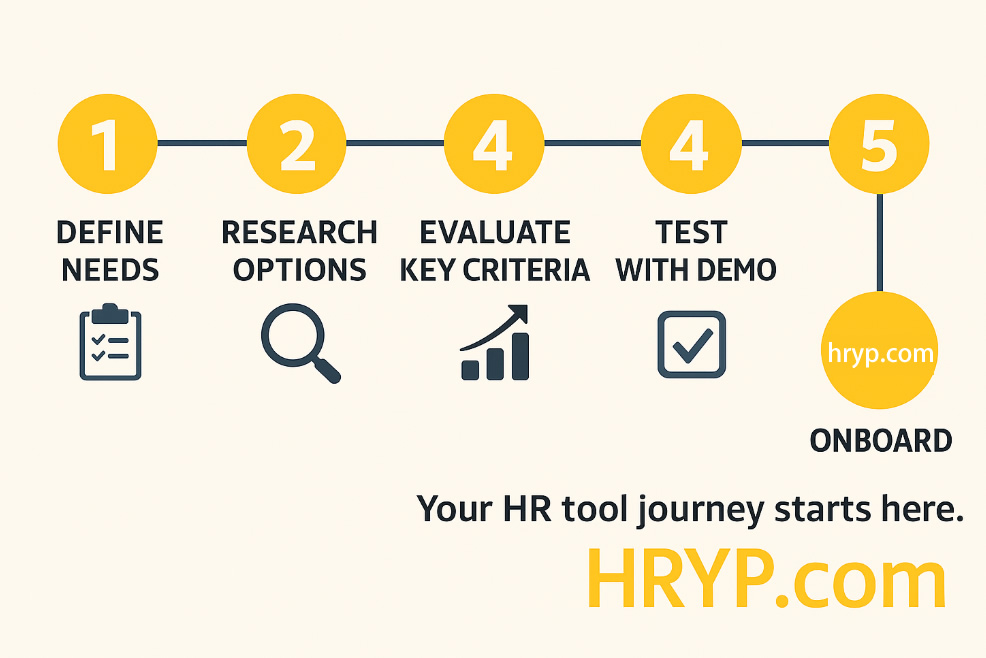
Choosing the right HR software vendor isn’t just about price — it’s about fit, reliability, flexibility, and support. The right choice will streamline your HR operations and scale with your business. Here’s what you should consider during your selection process:
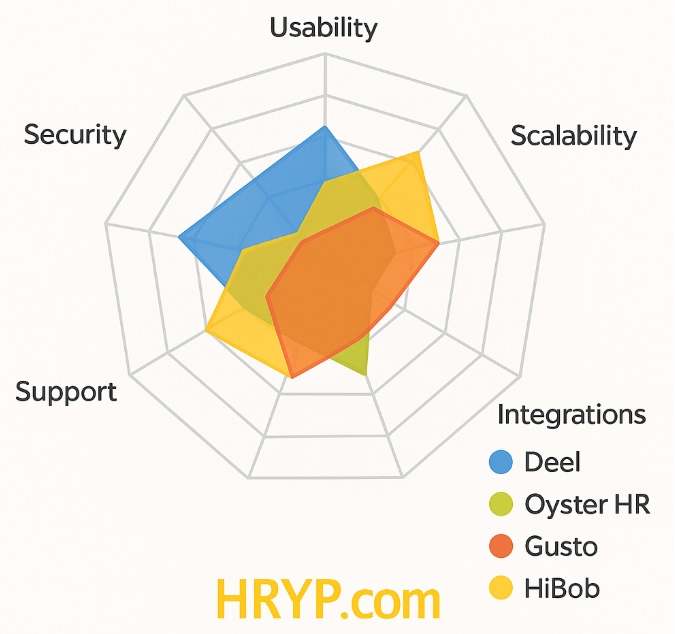
- Ease of Use: An intuitive user interface reduces onboarding time and improves adoption across teams. Look for vendors that offer demos or UI walkthroughs. If your team can’t use it efficiently, they won’t use it at all.
- Scalability: Whether you’re hiring your 10th or 1000th employee, your HR tool should grow with you. For example, vendors like HiBob offer customizable modules and localization support that suit both startups and global enterprises.
- Integration Capabilities: Your HR tool should seamlessly integrate with tools you already use — like CRMs, payroll providers, ATSs, or communication platforms. Rippling is a strong player here, providing extensive native integrations and API access.
- Customer Support and Onboarding: Onboarding new software requires hand-holding, especially for complex setups. Ensure your vendor offers responsive, multi-channel support and dedicated implementation teams. Papaya Global offers regional support specialists to guide global companies through country-specific regulations.
- Compliance and Data Security: HR software handles sensitive employee data. Vendors must comply with international standards such as GDPR, SOC 2, and ISO27001. Ask about their data storage policies, encryption protocols, and how they handle cross-border compliance.
- Customization and Workflow Flexibility: No two HR departments are the same. A good platform allows you to tailor processes such as onboarding, performance reviews, and PTO policies. HiBob, for instance, shines with its ability to map workflows based on your culture.
- Mobile Accessibility: Remote and field employees increasingly rely on mobile solutions. Ensure the platform offers a robust, responsive mobile app or web experience.
- Reporting and Analytics: Modern HR requires insights. Check whether the vendor provides built-in dashboards, custom reports, and data export options to help drive informed decisions.
- Transparent Pricing and Contracts: Avoid surprises. Review contract terms, setup fees, and add-ons carefully. Prefer vendors that are upfront with pricing and offer flexible terms or month-to-month billing.
Spending time evaluating these criteria ensures you choose a partner — not just a product — that supports your HR goals long-term.
The Complete HR Tools Vendors List (Top Picks 2025)
Explore our curated selection of top HR vendors for 2025, carefully chosen based on their innovation, user experience, global scalability, and customer feedback. Each platform serves a different niche — whether you’re managing compliance for a multinational team or streamlining core HR tasks for a small startup. All vendors below are linked to their full profiles on HRYP.com.
Payroll & Global Hiring
- Deel – One of the leaders in global hiring and contractor payments, Deel simplifies onboarding and payroll in over 150 countries. It supports EOR, freelancer payments, benefits, and contract generation — all from a single platform.
- Gusto – Gusto is ideal for U.S.-based SMEs looking for payroll, benefits administration, and time tracking in one affordable and easy-to-use interface.
- Remote – Remote helps companies hire full-time employees across borders legally and efficiently, with localized contracts, payroll support, and IP protection built in.
- Papaya Global – Tailored for multinational companies, Papaya offers global payroll automation, workforce analytics, and in-country expertise. Its strengths lie in compliance, centralized payroll, and country-specific advisory services.
All-in-One HRIS Platforms
- Rippling – Rippling stands out for integrating HR, IT, and finance in a unified platform. It’s highly modular, letting you start with core HR and expand into device management, apps provisioning, and more.
- HiBob – HiBob is built with culture in mind. It provides flexible HR tools for fast-growing businesses, including customizable workflows, performance tracking, and strong employee engagement features.
- Oyster HR – Oyster helps remote-first companies with global employment, offering contractor and EOR options along with localized benefits and salary insights.
- Workday – Workday is the go-to enterprise-level HRIS. It offers deep functionality for workforce planning, financials, talent management, and analytics — best suited for large corporations with complex needs.
SMB & Startup Focused Tools
- Paycor – Designed with U.S. SMBs in mind, Paycor offers powerful payroll, compliance, and recruiting tools in an intuitive interface. Particularly valuable for HR teams without in-house specialists.
- BambooHR – A favorite among small and mid-sized businesses, BambooHR focuses on ease of use, clean design, and essential HR functions like onboarding, employee records, and performance evaluations.
Comparison Table: Features at a Glance
To help you visualize how these top HR vendors stack up, we’ve created a side-by-side comparison table outlining their core features, pricing levels, ideal customer types, and availability of free trials. This table is especially useful for narrowing down options quickly based on what matters most to your business — whether that’s international payroll, ease of use, or flexible scaling.
Use this at-a-glance view to identify which platforms align best with your company’s size, operational needs, and budget. Full reviews and detailed listings are available for each tool on HRYP.com.
| Vendor | Core Features | Price Tier | Best For | Free Trial |
|---|---|---|---|---|
| Deel | Global Payroll, EOR | $$$ | Global Teams | ✅ |
| Gusto | US Payroll, Benefits | $$ | US SMEs | ✅ |
| Remote | Remote Hiring, Payroll | $$$ | Remote-first Teams | ✅ |
| Papaya Global | Global Workforce Management | $$$ | International Expansion | ❌ |
| Rippling | All-in-One HRIS | $$$ | Scaling Companies | ✅ |
| HiBob | HRIS, Performance | $$ | People-centric Orgs | ✅ |
| Oyster HR | Global HR, Compliance | $$$ | Fully Remote Companies | ✅ |
| Workday | Enterprise HR Suite | $$$$ | Large Enterprises | ❌ |
| Paycor | SMB HR, Payroll | $$ | Growing Businesses | ✅ |
| BambooHR | Core HR, Onboarding | $$ | Startups & SMBs | ✅ |
Real-World Examples (Anonymous Case Studies)
- A fintech startup expanding across Europe used Deel to handle EOR contracts and streamline onboarding for engineers in 5+ countries.
- A creative marketing firm in Austin switched to Gusto for payroll and health benefits, reducing admin hours by 60%.
- A media group adopted BambooHR to organize onboarding and manage employee files digitally.
- A SaaS scale-up operating in 12 countries partnered with Papaya Global to consolidate payroll systems — achieving 35% fewer compliance incidents.
- A hybrid team in tech chose HiBob to centralize team data, onboard new hires remotely, and boost employee engagement with automated birthday recognitions and feedback cycles.
Common Mistakes When Choosing an HR Vendor
Avoid these common pitfalls when evaluating HR tools:
- Focusing solely on pricing: Low-cost solutions might lack key features or reliable support, leading to inefficiencies. Consider total value over time, not just upfront cost.
- Overlooking future scalability: Today’s needs may change as your company grows. Choosing a limited vendor can mean costly migrations later. For instance, some startups outgrow lightweight platforms within a year.
- Ignoring integration capabilities: A standalone HR system that doesn’t talk to your payroll, CRM, or ATS can cause redundant work and fragmented data. Ensure your vendor has robust integration options or open APIs.
- Underestimating the importance of support: Especially during implementation, having responsive, helpful support is critical — particularly for global tools like Papaya, where local compliance issues can arise unexpectedly.
- Neglecting employee experience: Tools that are hard to navigate reduce adoption and increase frustration. Vendors like HiBob focus on modern UI and people-centric design to enhance daily usage.
- Failing to test: Always try a demo or trial before committing. Test how well the tool adapts to your workflows, whether it delivers actionable reports, and how customizable it is.
- Not involving HR and IT stakeholders: Too often, software is chosen by leadership without proper input from the teams who will use and maintain it. Involve HR managers, payroll admins, and IT in the selection process.
- Overlooking data portability: If you ever switch platforms, can you easily export employee data, payroll history, and compliance documents? Ensure the vendor has clear exit strategies and data migration support.
These oversights can delay onboarding, increase churn, and lead to compliance gaps. Investing time upfront in due diligence can save months of future headaches.
How HRYP.com Helps You Choose the Right Vendor
HRYP.com simplifies the search for your ideal HR solution. With our platform you can:
- Browse categorized listings by function (payroll, HRIS, benefits, etc.)
- Compare features and suitability for your business size
- Access vendor contact details and demo links
- Boost your decision-making with vendor descriptions, use cases, and direct links
👉 Explore the HR tools vendor directory
Frequently Asked Questions About HR Software Vendors
What is the most used HR software?
Some of the most widely used HR software solutions include BambooHR, ADP, Workday, Gusto, and Deel. Their popularity varies depending on company size and use case (payroll, onboarding, compliance, etc.).
Who are the top HR software vendors?
Major vendors in the HR space include SAP SuccessFactors, Workday, Oracle, Gusto, Deel, Paylocity, HiBob, and UKG. These platforms offer full-suite HRIS and HCM solutions for different business needs.
Which software is good for HR management?
It depends on your goals. For full HR management, platforms like BambooHR, Paycor, HiBob, and Rippling are great choices. They support employee records, onboarding, benefits, time tracking, and reporting.
What are the 5 types of HRIS?
The five common types of HRIS include: Operational HRIS, Tactical HRIS, Strategic HRIS, Comprehensive HRIS, and Limited-Function HRIS. Each varies in features and depth of analysis.
Which HR software is used by Microsoft?
Microsoft typically uses SAP SuccessFactors for enterprise HR needs, along with its own Microsoft Viva platform for employee experience and internal communication.
What are the top three HRIS systems?
Workday, SAP SuccessFactors, and Oracle HCM Cloud are considered the top enterprise-level HRIS platforms globally due to their advanced features and scalability.
Is Oracle an HRIS system?
Yes, Oracle offers a full-suite Human Resource Information System (HRIS) called Oracle Fusion Cloud HCM, widely used by large enterprises for talent, payroll, and workforce management.
What is the best free HR software?
Popular free options include Zoho People (free tier), Homebase, and Bitrix24. While limited in features, they work well for startups and small teams needing basic HR functions.
What are the four core HR systems?
The four core HR systems typically include: applicant tracking systems (ATS), payroll software, benefits administration platforms, and employee data management tools (HRIS).
Does Google have an HR software?
Google does not offer a dedicated HR platform. However, some HR teams use Google Workspace tools (like Sheets, Forms, and Calendar) to manage HR workflows in a lightweight way.
Conclusion: A Smarter Way to Choose HR Tools
The right HR tech can revolutionize your team’s operations — from recruiting to retention. Avoid common mistakes, leverage our curated vendor list, and find your next HR partner through HRYP.com.
📢 Explore our full HR Tools Vendors Directory
:%20Find%20the%20Right%20Solution%20for%20Your%20Business)